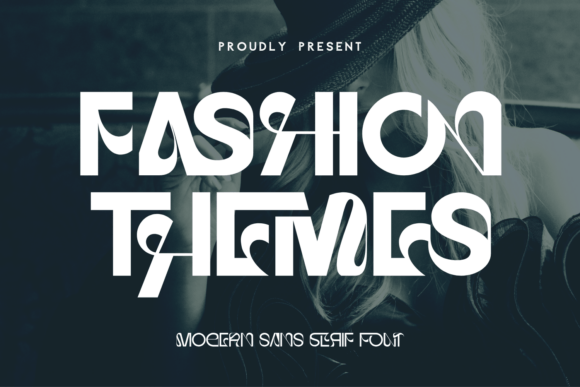
Elevate Your Brand with the Fashion Themes Font
As a small business owner, I've learned that every detail matters—especially when it comes to your brand's visual identity. One often-overlooked element is the font you choose for your branding materials. That's where Fashion Themes, a modern sans serif font, can make a real difference. Inspired by future themes and industrial design, this font brings a clean, geometric edge that can help your brand stand out in a professional and memorable way.
Fashion Themes has a distinct personality that blends sharp letterforms with open angles. It feels contemporary, precise, and slightly edgy—perfect for businesses aiming to project a modern and innovative image. Whether you're designing a logo, creating packaging, or updating your website, this font offers a consistent look that aligns with your brand's message.
How Fashion Themes Can Enhance Your Branding Materials
I’ve used Fashion Themes across several of my projects, and its versatility has been impressive. For instance, when I redesigned my bakery’s packaging, I chose this font for the product labels. The clean lines and structured shapes gave the packaging a sleek, professional feel that appealed to my target audience of young professionals and urban dwellers.
Similarly, for my handmade candle line, I applied Fashion Themes to the label designs. The geometric details added a touch of sophistication, making the products feel more premium and high-quality. This font works equally well on digital platforms too. When I updated my Instagram posts and Pinterest graphics, using Fashion Themes helped maintain a cohesive look across all my social media content.
Another great use for Fashion Themes is in menus and flyers. Its readability makes it ideal for printed materials where clarity is key. I’ve found that customers can easily read the text even at smaller sizes, which is essential for things like café menus or event flyers.
Real-World Applications of Fashion Themes
Let’s explore some realistic scenarios where Fashion Themes can be effectively used:
- Boutique Logo Design: A minimalist boutique might use Fashion Themes as the primary font for their logo to convey a modern and stylish vibe.
- Coaching Business Branding: A personal development coach could pair Fashion Themes with a complementary serif font for a balanced and professional appearance in their marketing materials.
- Online Shop Packaging: E-commerce brands selling tech accessories or fashion items can benefit from using Fashion Themes on product boxes and shipping labels for a unified brand experience.
- Social Media Graphics: When creating Instagram stories or Facebook ads, Fashion Themes adds a clean and eye-catching aesthetic that stands out in feeds.
It’s also important to consider how Fashion Themes looks in different contexts. As a display font, it works well for headlines and banners. But when used as an accent font or supporting typeface, it pairs nicely with more readable fonts like a traditional serif or another sans serif for body text.
Readability and Practical Use Cases
One concern I had initially was whether Fashion Themes would remain legible in smaller sizes, especially on mobile screens or printed packaging. After testing it extensively, I found that the font maintains its clarity even at reduced sizes. This makes it suitable for everything from tiny product tags to large website banners.
For example, when I used Fashion Themes on my café’s menu board, the text was clearly visible from across the room. On my website, it performed well on both desktop and mobile devices, ensuring that visitors could read the information without strain.
If you’re unsure about how Fashion Themes will look in your specific context, I recommend doing a few quick tests. Create sample materials with the font and see how they appear under different lighting conditions, on various backgrounds, and at different sizes. This step helps avoid any surprises once you’ve committed to using it across your brand.
Font Pairing and Licensing Tips
While Fashion Themes is a strong standalone font, pairing it with other fonts can add depth to your design. For instance, if you're creating a brochure or flyer, you might use Fashion Themes for headlines and pair it with a more traditional serif font for body text. This combination creates contrast while maintaining a professional tone.
Another idea is to use Fashion Themes alongside a script font for special occasions or promotional material. Just be mindful not to overcomplicate the design—keep it simple and focused on your brand’s core message.
Before using Fashion Themes on any commercial materials, always check the font’s licensing agreement. Some fonts require specific permissions for use in print, digital downloads, or merchandise. Ensuring you have the right license protects your business and avoids any legal issues down the road.
Overall, Fashion Themes has become an essential part of my brand toolkit. Its modern style, readability, and versatility make it a great choice for small businesses looking to build a consistent and professional brand identity. Whether you're just starting out or looking to refresh your current visuals, this font can help you create materials that are both visually appealing and aligned with your brand's values.